
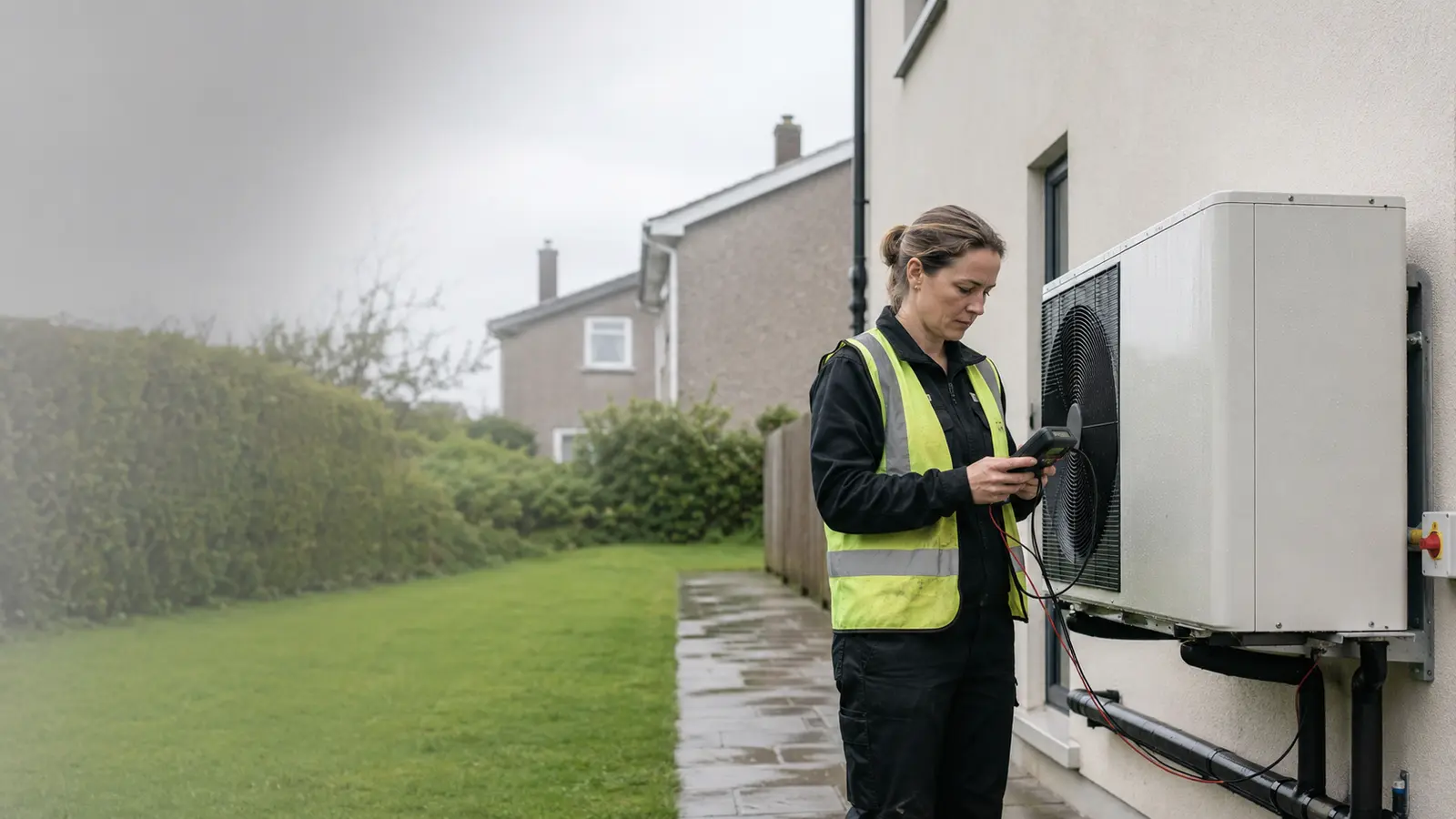
The SEAI Better Energy Homes scheme is one of the most significant financial supports available to Irish homeowners. If you own your home and it was built before 2011, you can claim grants of up to €10,500 for upgrading your heating system, insulation, and renewable energy sources.
Most homeowners leave this money unclaimed, either because they do not know it exists or because the process seems complex. This guide walks through everything you need to know.
What is the SEAI Better Energy Homes scheme?
SEAI stands for the Sustainable Energy Authority of Ireland. The Better Energy Homes (BEH) scheme is the government’s main grant programme for home energy upgrades. It pays grants directly to homeowners who install qualifying energy-efficiency measures.
The scheme is funded by the Irish government as part of Ireland’s climate action targets. The goal is to retrofit the existing housing stock to reduce household energy use and carbon emissions.
For homeowners, the grant is money back in your pocket toward the cost of work that will also reduce your energy bills.
Who qualifies?
To qualify for the Better Energy Homes scheme:
- You must own the home (not a tenant)
- The home must have been built and occupied before 2011
- The home must be your primary residence (second homes and holiday homes do not qualify under the standard scheme)
- Work must be carried out by a contractor registered on SEAI’s approved list
Rental properties may qualify under a separate landlord scheme. If you own rental properties, contact SEAI directly for details.
What grants are available in 2026?
Heat pump
Grant: €6,500
Air-to-water heat pumps replace your existing boiler and heat your home and hot water using electricity. They are significantly more efficient than gas or oil boilers — typically producing three to four units of heat for every one unit of electricity consumed.
The €6,500 grant is the largest single grant available under the BEH scheme. To qualify, your home must achieve a BER rating of B3 or better after the installation. Many homes require insulation upgrades first to meet this threshold.
Solar water heating
Grant: €1,200
Solar thermal panels on your roof heat domestic hot water. They are most effective in spring and summer, providing up to 80–90% of hot water needs in the summer months and pre-heating water in winter.
This is one of the most cost-effective grants available. Installation typically costs €4,000–€6,000, making the net cost after grant €2,800–€4,800. Running costs are near zero once installed.
Solar photovoltaic (PV)
Grant: up to €2,400
Solar PV generates electricity from sunlight. The grant is calculated at €900 per kWp for the first 2 kWp and €300 per kWp thereafter, up to a maximum of €2,400 (for a 4.2 kWp system).
Under the Clean Export Guarantee, you can now sell excess electricity back to the grid at a regulated tariff, which further improves the economics.
Insulation measures
| Measure | Grant |
|---|---|
| Cavity wall insulation | €800 |
| Internal wall insulation (dry lining) | €4,500 |
| External wall insulation | €8,000 |
| Attic insulation | €1,500 |
| Rafter insulation | €3,000 |
Insulation grants can be combined with the heat pump grant. A homeowner who installs external wall insulation (€8,000) and a heat pump (€6,500) could claim €14,500 in grants — although the Better Energy Homes scheme maximum per dwelling is currently €10,500 for BEH measures alone.
Under the SEAI One Stop Shop scheme, higher combined grant amounts are available.
The SEAI One Stop Shop scheme
For homeowners doing multiple upgrades, the One Stop Shop (OSS) scheme is often better value than the standard BEH scheme. Under OSS:
- A single registered provider manages the entire project
- Enhanced grant levels apply (higher than standard BEH)
- 0% financing is available through the SEAI home energy upgrade loan
- The provider handles the SEAI application, the contractors, and the paperwork
The OSS scheme suits homes with a BER of D or below that need significant work across multiple measures. For a single measure (just a heat pump, just insulation), the standard BEH scheme is simpler.
How to apply
Step 1: Get a BER assessment (recommended first)
A BER (Building Energy Rating) assessment shows your home’s current energy efficiency rating. It costs approximately €200–€250. Knowing your current BER helps you and your contractor understand what work is needed, what grant levels apply, and whether your home will meet the B3 BER threshold required for heat pump grant approval.
Step 2: Get quotes from SEAI-registered contractors
Work must be done by a contractor on SEAI’s approved list. Getting multiple quotes is recommended. We can match you with SEAI-registered plumbers and heating engineers in your county.
Step 3: Register your application before work starts
This is the most important step. You must register your application on seai.ie before any work begins. If work starts before registration, you lose the grant. There are no exceptions.
Registration takes approximately 15 minutes online. You will need your MPRN (meter point reference number, from your electricity bill) and details of the measures you plan to install.
Step 4: Work is carried out
Your registered contractor carries out the work and provides all relevant documentation: invoices, completion certificates, and RGII certificates where applicable (for heat pumps connected to gas).
Step 5: Submit completed works
You submit the completed works to SEAI with all documentation. SEAI may select your project for inspection. If selected, an SEAI inspector visits to verify the work before the grant is released.
Step 6: Grant paid
SEAI pays the grant directly to your bank account. Processing typically takes 4–8 weeks after completed works are submitted.
Common questions
Can I do the work in stages?
Yes. You can claim grants for different measures in different years. However, you must complete a separate application for each grant. You cannot add measures retrospectively to a closed application.
Can I do the work myself?
No. All grant-eligible work must be carried out by a contractor on SEAI’s approved list. DIY installations do not qualify for grants and may also be dangerous (especially for heat pump refrigerant work, which requires F-Gas certification).
What if the work costs less than expected?
The grant amount is fixed by the measure type, not the actual cost. If the work costs €5,000 and the grant is €6,500, you cannot claim more than the actual cost of the work (SEAI will not pay a grant larger than the project cost). However, cost of materials and labour together almost always exceeds the grant amount.
Does the grant affect my tax liability?
No. SEAI grants for home energy upgrades are not treated as income for Irish tax purposes.
Is it worth it?
For most homeowners, yes. The combination of reduced energy bills, increased home comfort, improved BER rating (which increases resale value), and significant upfront grants makes most measures financially worthwhile on a 10–15 year horizon.
Heat pumps have the longest payback period but also the largest long-term savings, particularly as electricity from renewable sources becomes cheaper and gas prices remain volatile.
Insulation measures have the shortest payback period. Attic insulation, for example, can pay for itself in 3–5 years even without a grant.
The honest caveat: if you are planning to sell within 5 years, focus on measures that raise your BER rating the most per euro spent. For long-term ownership, optimise for maximum energy bill reduction over the life of the measures.
About the author
Dave Coleman is a web developer and SEO specialist based in Dublin. He built plumbersinireland.ie in partnership with Ranksy. Full information on SEAI grants is available at seai.ie.
Ready to find a plumber?
Get quotes from RGII-registered plumbers in your county. Free to use, no obligation.
Get quotes now