First 5 minutes: stop the water
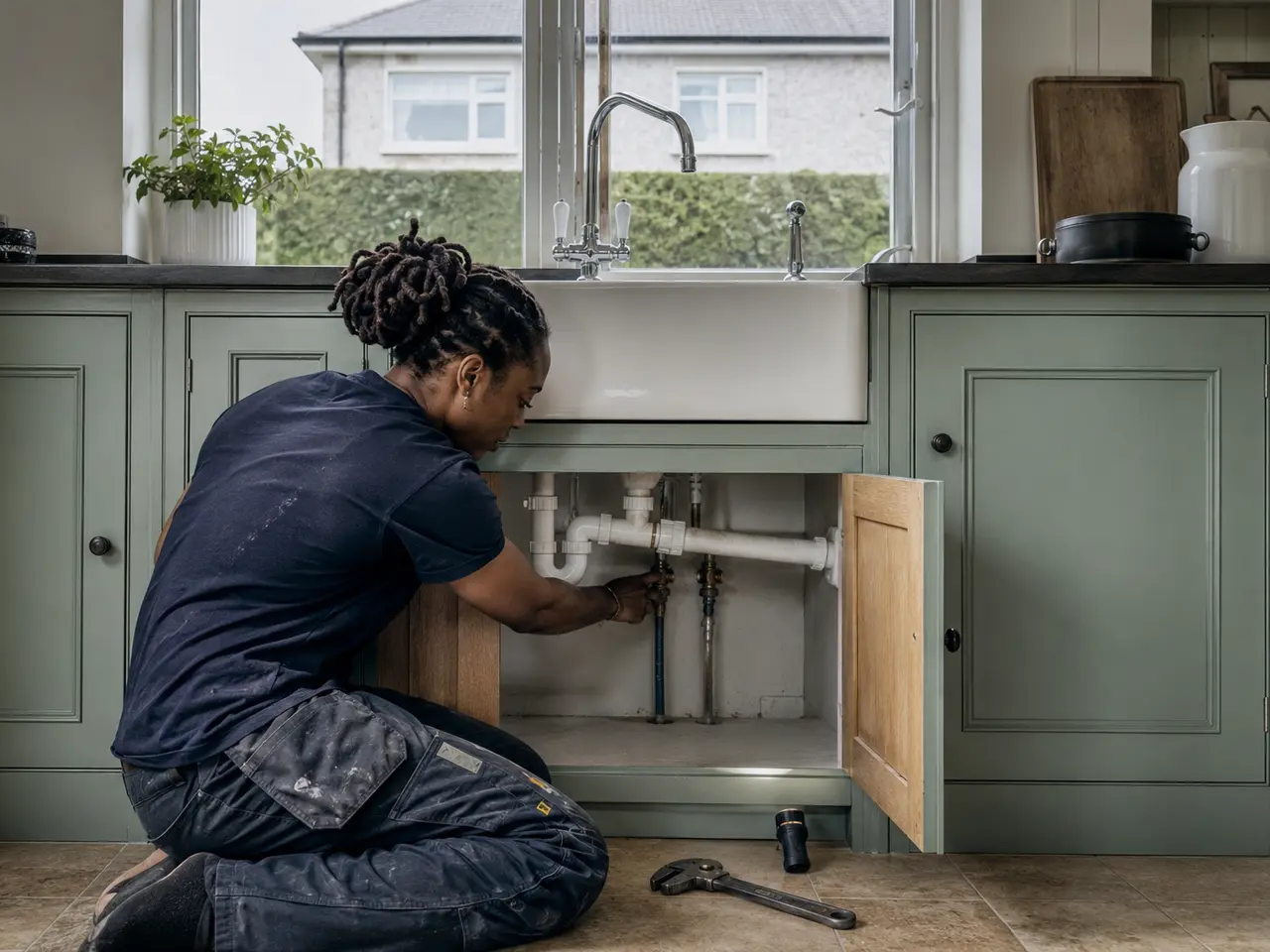
Turn off your stopcock (mains stop valve) immediately. In most homes it is under the kitchen sink or where the water supply enters the house. Turn it clockwise until it stops. This cuts off the water supply to the whole house.
Open cold taps throughout the house to drain the remaining water from the pipes. Do not use any electrical switches or appliances near the leak until you are sure there is no risk of water contact.
Isolate the electricity if water is near wiring
If water is leaking near electrical fittings, sockets, or your fuse board, turn off the electricity at the consumer unit (fuse box) before touching anything. Water and electricity are a dangerous combination — if you are unsure, stay back and call both an emergency plumber and an electrician.
Do not turn electricity back on until a plumber has confirmed the leak is stopped and the affected area has dried out sufficiently.
Limit the water damage
Collect dripping water in buckets and lay down towels to absorb pooling water. Move furniture and valuables away from the affected area. Take photos and video of all visible damage before you start cleaning up — this is important for your home insurance claim. Contact your insurer as soon as the immediate emergency is dealt with.
Most home insurance policies in Ireland cover sudden and unforeseen water damage from burst pipes. Keep any receipts for emergency repairs as your insurer may require them.
Find an emergency plumber in your county
Call an emergency plumber in your county as soon as the water is isolated. All RGII-registered plumbers are qualified to repair burst pipes on both gas and water systems. Ask for the call-out charge upfront before they come out.
Most emergency plumbers in Ireland charge a flat call-out fee between €80 and €180, plus an hourly rate for labour on top. Out-of-hours and weekend call-outs typically carry a premium of 25–50% on the standard rate.
Common causes of burst pipes in Ireland
The most common cause is frozen pipes during cold snaps. When water inside a pipe freezes it expands and splits the pipe wall, often at joints or bends. Copper pipes in unheated attic spaces, external walls, and under suspended floors are the most vulnerable.
Other common causes include corrosion in older copper or lead pipes (particularly in pre-1970s homes), physical impact during building work, high water pressure causing joints to fail, and defective pipe fittings. A plumber will identify the cause as part of the repair.
What the repair involves
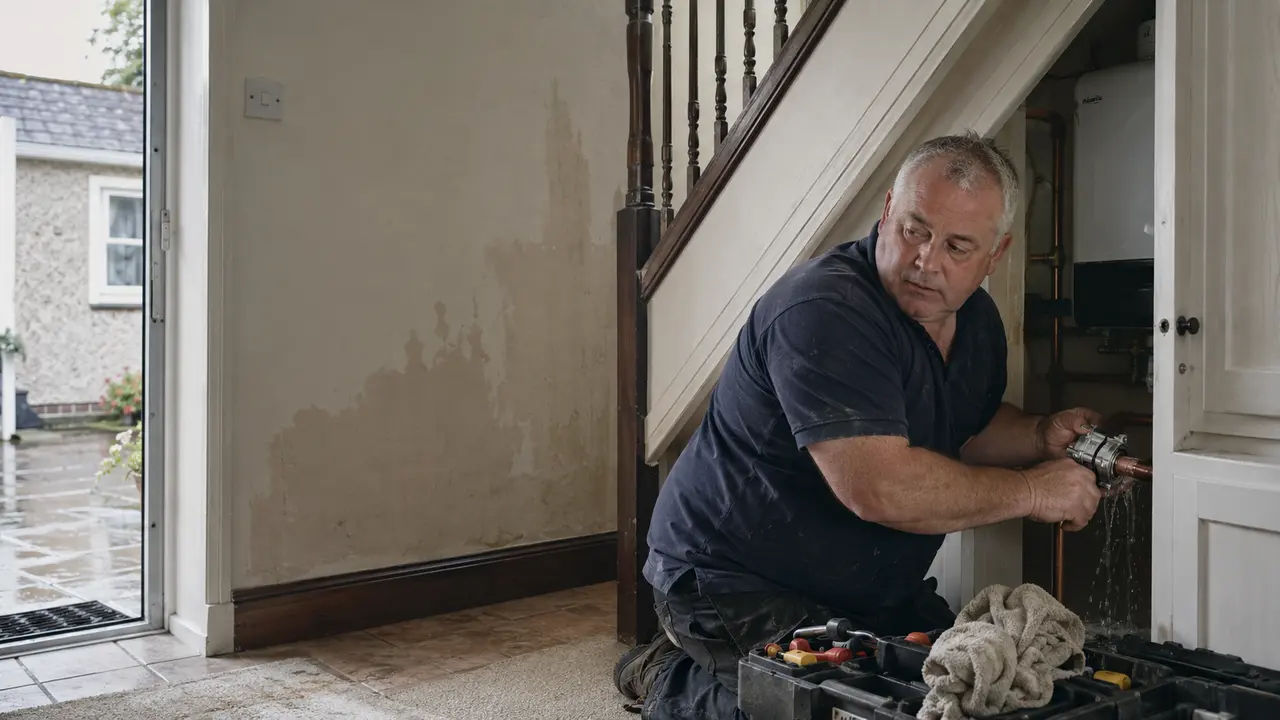
In most cases a plumber will cut out the damaged section of pipe and replace it with new copper or plastic (pushfit) pipe. If the burst is in an accessible location under a sink or in a hot press, this can take under an hour including parts. If the pipe runs behind a wall or under a floor, additional time and cost is needed to access it.
Always get a written quote before any work begins. The quote should break down call-out fee, labour, and parts separately. Keep the invoice for insurance purposes.