Check RGII registration first
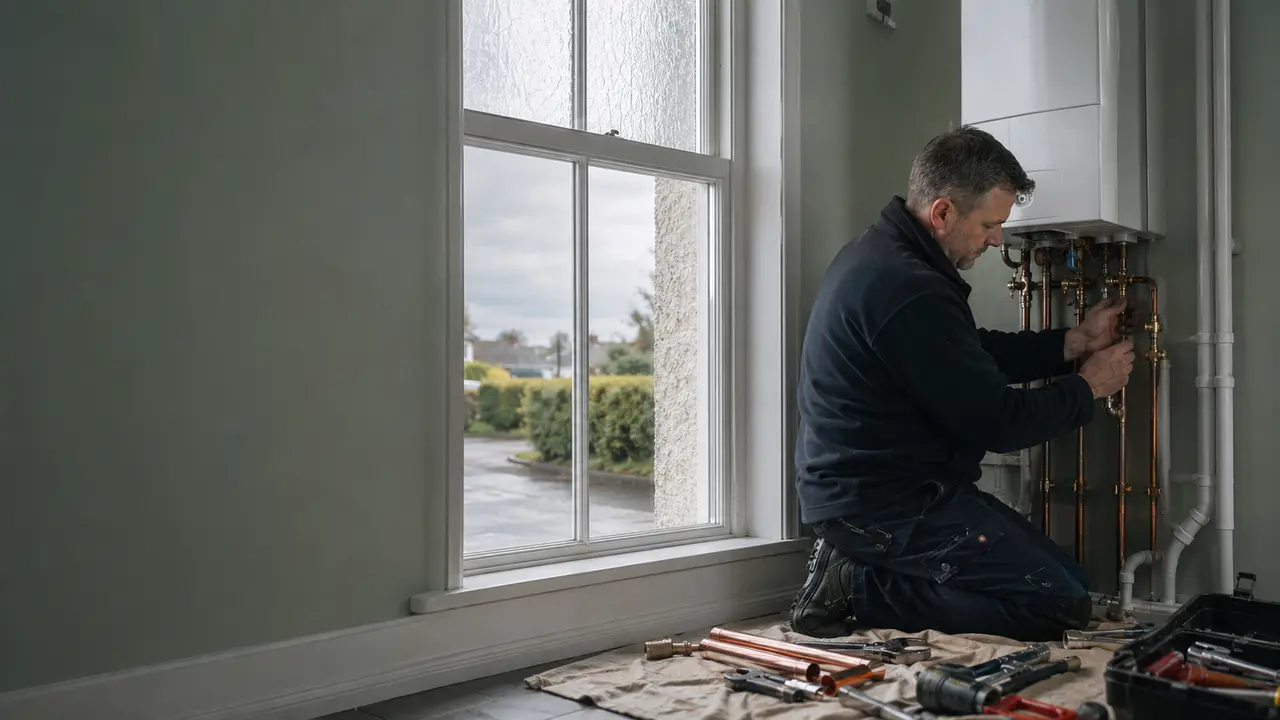
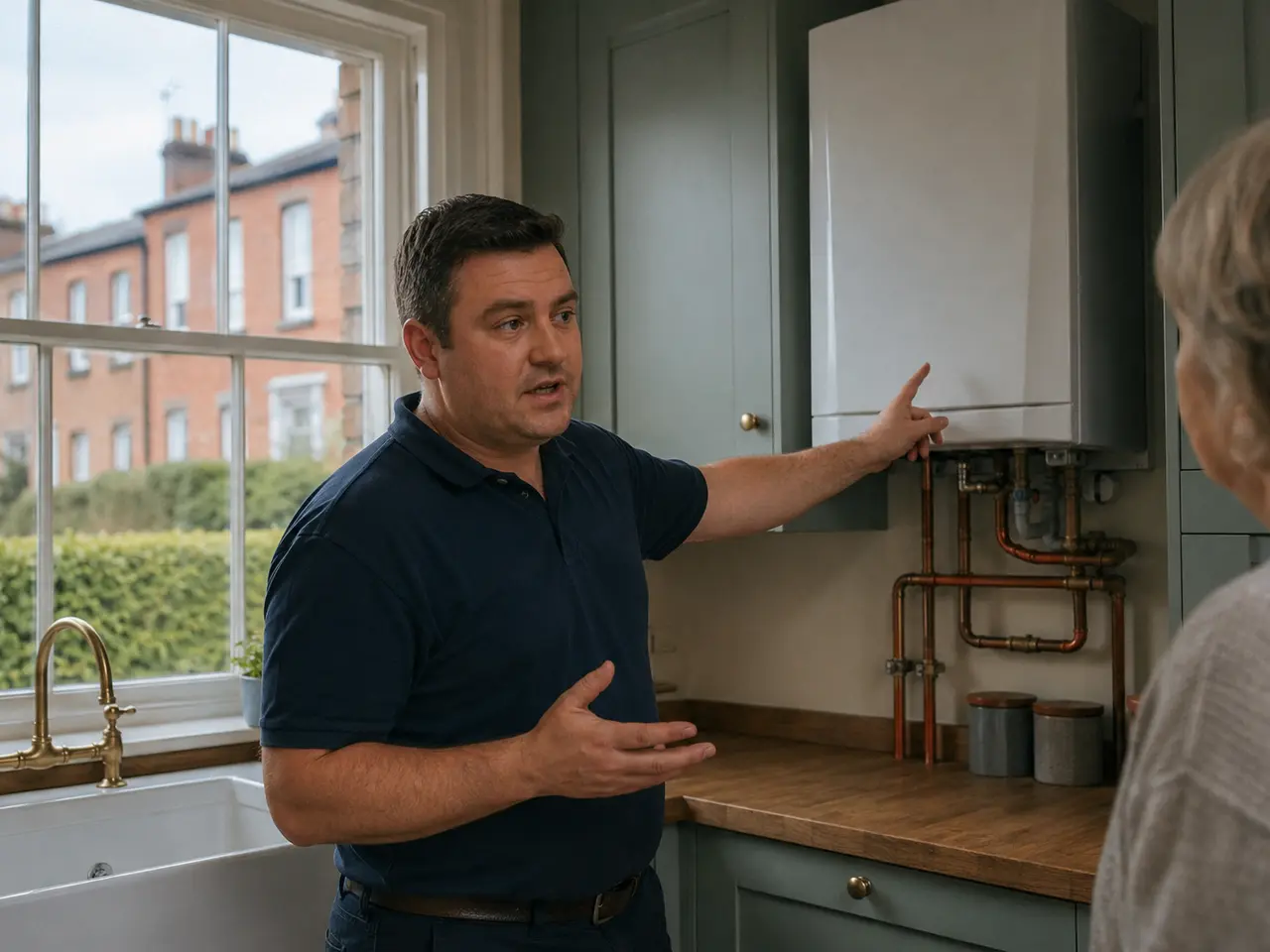
For any gas work — boiler installation, gas pipe repair, gas hob connection — your plumber must be RGII registered. This is a legal requirement in Ireland. Ask for their RGII number and verify it at rgii.ie before any gas work begins. No registration number means no gas work, full stop.
For water-only plumbing work, RGII registration is not legally required. However, a plumber who holds RGII registration has demonstrably met a competency standard. All plumbers listed on this site are RGII-registered.
Always get a written quote
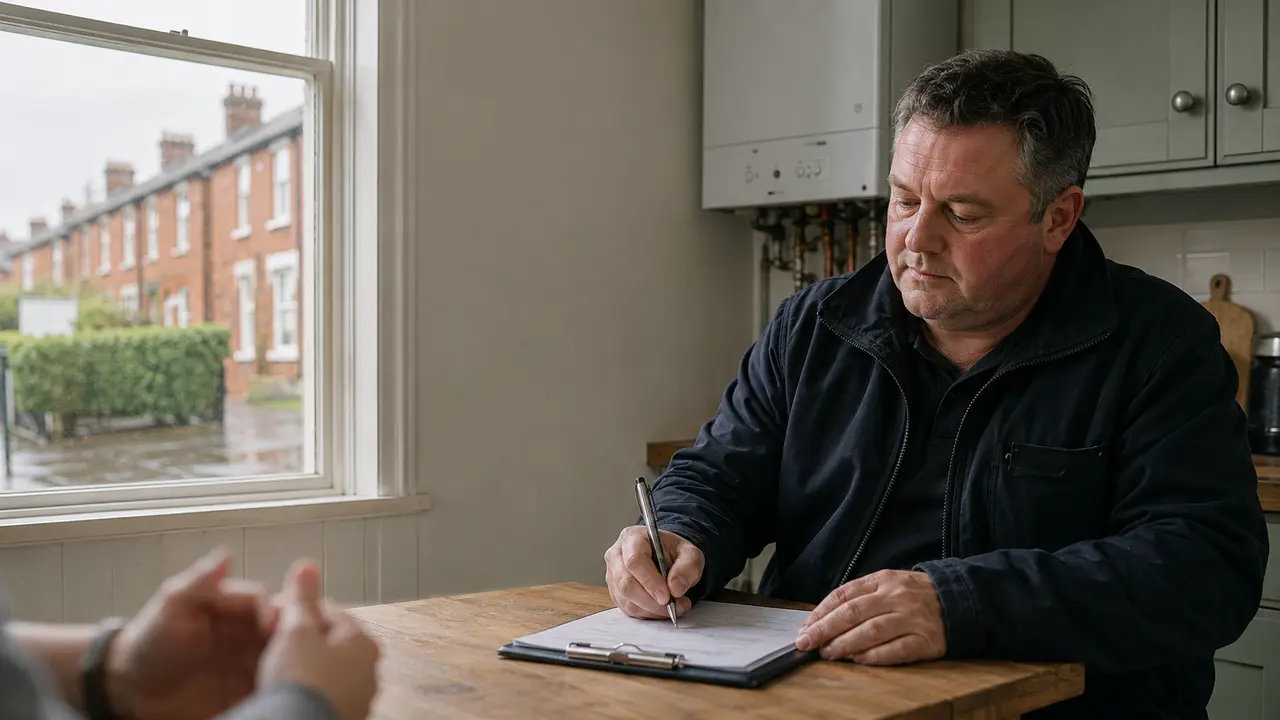
Never agree to work without a written quote. A reputable plumber will visit the job (or ask for detailed photos and a description for smaller jobs) before giving a price. The quote should itemise labour and materials separately so you can see exactly what you are paying for.
For emergency call-outs, ask for the call-out fee and hourly rate before they arrive — most plumbers will give you this over the phone without hesitation. A plumber who refuses to give a call-out fee on the phone is a red flag.
Check Google reviews carefully
Look for a Google Business Profile with at least ten reviews, the majority of which are recent (within the last 12 months). Older reviews may reflect a different owner or business period. Read the negative reviews as carefully as the positive ones — a pattern of late arrivals, overcharging, or unfinished work is more important than a handful of five-star reviews from friends.
A plumber with 4.6 stars and 40 reviews is a significantly safer choice than one with 5.0 stars and 3 reviews. Volume of reviews over time is a strong indicator of an active, consistently performing business.
Ask about insurance
Public liability insurance protects you if the plumber causes damage to your property during the work. Ask whether they are insured before work begins. A plumber who is reluctant to confirm insurance, or who cannot produce a certificate if asked, should not be used. Most reputable plumbers carry at least €2 million in public liability cover.
Employer liability insurance is also required if the plumber has employees working on your property. This is their responsibility, not yours, but it is worth asking about for larger jobs involving a team.
Red flags to avoid
Avoid any plumber who quotes a price without seeing the job (except simple like-for-like replacements where the scope is clear), asks for full payment upfront before starting, cannot provide an RGII number for gas work, will not give a written quote, or pressures you to make a decision immediately. Legitimate tradespeople do not use high-pressure sales tactics.
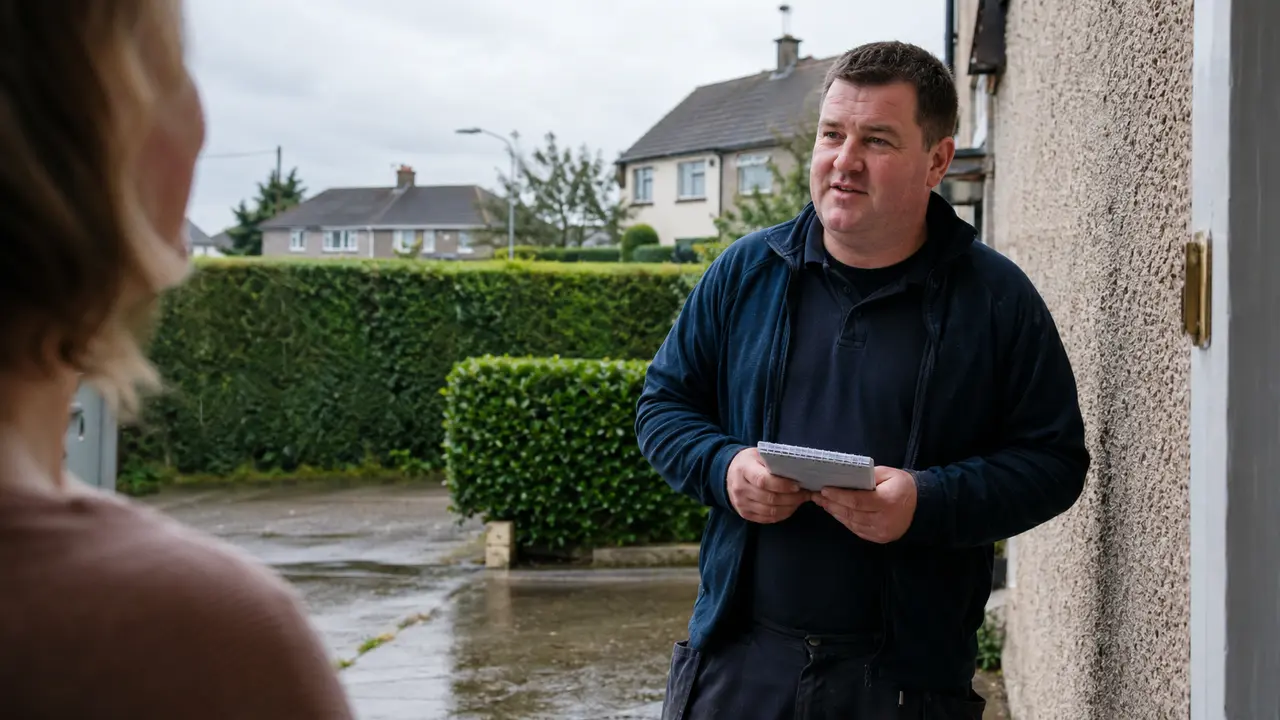
Be wary of plumbers who arrive unannounced and claim to have noticed a problem with your pipes or boiler. This is a known doorstep scam in Ireland. Always verify any claim independently before agreeing to any work.