
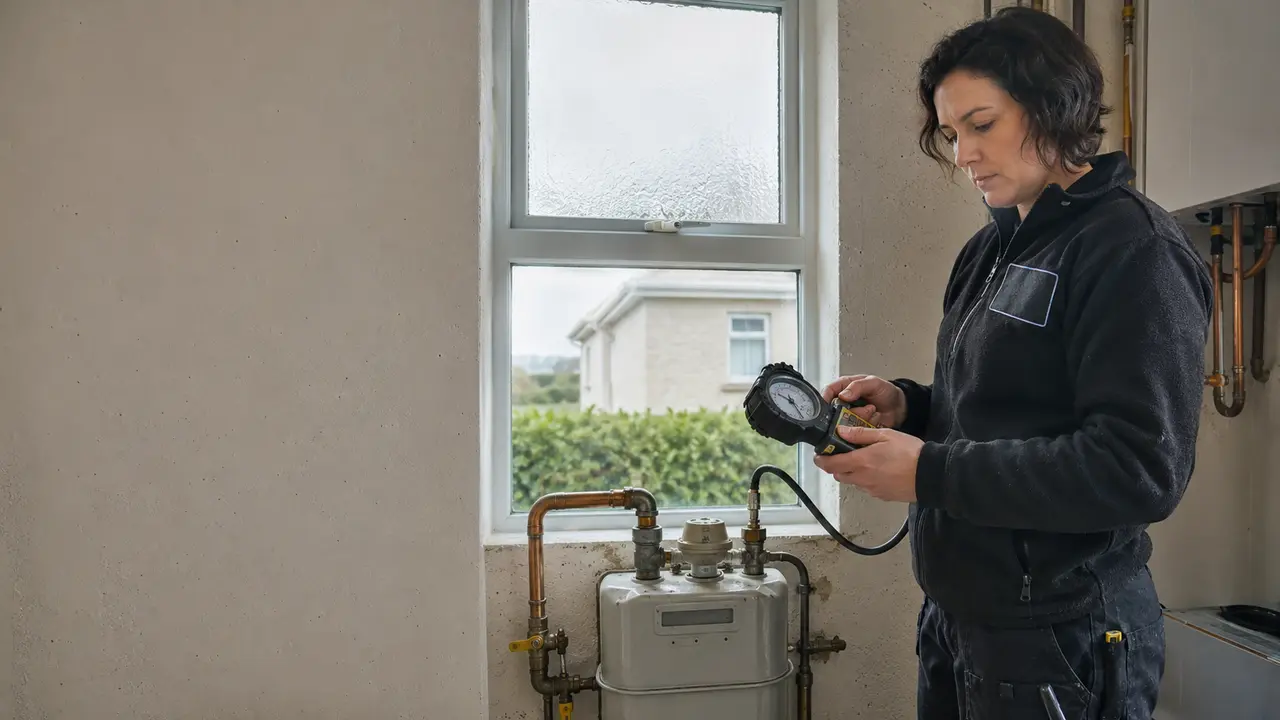
What RGI stands for
RGI stands for Registered Gas Installer. It is the official certification issued by Gas Networks Ireland to plumbers, heating engineers and gas fitters who are qualified to work on natural gas and LPG systems in Ireland.
Every RGI registered installer is issued a unique registration number recorded on the Gas Networks Ireland public register at rgi.ie, which any homeowner can search for free. If the person you are considering hiring does not appear on that register, they are not legally authorised to carry out gas work in Ireland.
Gas work in Ireland is heavily regulated for good reason. A fault on a gas installation can cause carbon monoxide poisoning, fires, or explosions. RGI registration is the public's assurance that the person doing the work has been trained, tested and approved to do it safely.
What work RGI covers
RGI registration covers all work on natural gas and LPG systems, including:
- New gas connections and extensions to gas pipework
- Boiler installation and replacement
- Gas cooker, hob and range connections
- Gas fire and gas heater installation
- Gas appliance repairs and servicing
- Pressure testing of gas systems
- Commissioning of new gas installations
General plumbing work does not require RGI registration. But the moment gas pipework or a gas appliance is involved, the work must be carried out by a registered installer. See the full list of work that legally requires RGI.
How an installer becomes RGI registered
Becoming RGI registered is not a formality. It requires formal training in gas safety standards, passing a practical competency assessment, and demonstrating knowledge of Irish gas regulations and technical standards.
Registration is issued and maintained by Gas Networks Ireland. Registered installers must renew periodically to confirm they remain competent and up to date. A registration can be suspended or cancelled if a serious safety breach is identified.
RGI versus RGII: what is the difference?
RGI covers natural gas and LPG work, administered by Gas Networks Ireland. RGII (Register of Gas Installers of Ireland) is a separate scheme covering both gas and oil-fired heating systems.
If you need gas work done, look for RGI registration. If you need oil-fired boiler work, look for RGII. Some engineers hold both. Always confirm which registration applies to your specific job.
Do not confuse the two schemes. An RGII registered engineer is not automatically RGI registered for gas work, and vice versa. Always confirm which registration applies to your job before booking.
Why it matters for homeowners
Hiring an unregistered gas installer is not just illegal, it puts your household at serious risk. Unregistered work is typically not covered by your home insurance policy. If something goes wrong, you may face a situation where your insurer declines a claim on the grounds that the work was carried out without proper certification.
When you sell your home, a solicitor may ask for evidence that gas work was carried out by a registered installer. A Certificate of Completion from an RGI installer is your record of compliance. More about gas safety certificates.
Verifying registration takes two minutes. It is one of the simplest steps you can take to protect yourself before any gas work begins.