
What RGII stands for
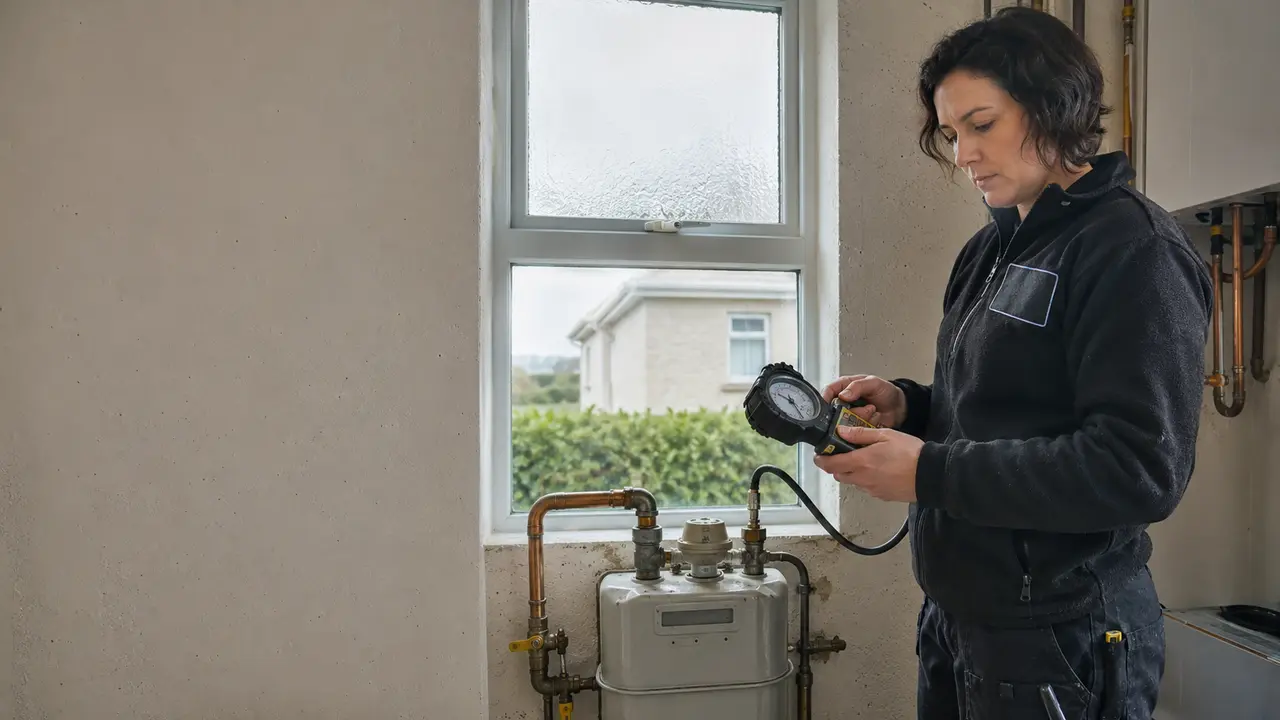
RGII stands for the Register of Gas Installers of Ireland. It is the regulatory body that certifies gas installers in Ireland, established under the Gas (Amendment) Act 1987 and operating under oversight of the Commission for Regulation of Utilities (CRU). Every person carrying out gas work in Ireland must be registered with RGII.
Each RGII-registered installer is issued a unique registration number recorded on the public RGII register at rgii.ie, which any homeowner can search for free. If the installer you are considering does not appear on that register, they are not legally authorised to carry out gas work in Ireland.
Gas work is heavily regulated for good reason. A fault on a gas installation can cause carbon monoxide poisoning, fires, or explosions. RGII registration is the public's assurance that the person doing the work has been trained, tested and approved to do it safely.
What requires RGII registration?
The following work legally requires an RGII-registered installer in Ireland:
- Gas boiler installation, replacement or modification
- Gas hob, range or oven connection
- Gas fire or gas water heater installation
- Any work on gas pipework or gas supply
- Gas meter installation or modification
The following does not require RGII registration:
- General plumbing (water, drainage, waste)
- Oil boiler installation (requires OFTEC instead)
- Air-to-water heat pump installation (requires F-Gas certification)
- Bathroom or kitchen plumbing not connected to gas
Why RGII registration matters
It is a legal requirement
Gas work carried out by an unregistered person is illegal in Ireland. This applies to the installer — and knowingly allowing unregistered gas work in your home also carries legal risk for the homeowner.
Home insurance
Most Irish home insurance policies require that gas work is carried out by a "competent person." An unregistered installation can invalidate your policy entirely in the event of a gas-related claim.
Gas Completion Certificate
Only RGII-registered installers can issue a Gas Completion Certificate. This document is required for mortgage drawdowns, property sales, new gas connections, and insurance claims. Without it, you cannot legally prove the work was carried out safely.
Property sale
When you sell a property, your conveyancing solicitor will ask for certification for all gas appliances. An uncertified installation delays the sale and may require expensive remedial work before contracts can be exchanged.
Do not allow any gas work to begin without first verifying the installer's RGII registration. Verification takes under two minutes and costs nothing. A fine or insurance refusal costs significantly more.
How to verify RGII registration
Before any gas work starts, take two minutes to confirm your installer is on the register. It is free, public, and could save you from a very costly problem later.
- Ask for the installer's RGII registration number. Every registered installer has a unique number. If they cannot provide it, do not proceed.
- Go to rgii.ie and search. The register is searchable by name, company, or registration number. No account needed.
- Confirm the registration is current. RGII requires annual renewal. Confirm the registration is active, not expired.
RGI versus RGII: what is the difference?
RGI (Registered Gas Installer) is a separate scheme administered by Gas Networks Ireland, covering natural gas and LPG work. RGII covers both gas and oil-fired heating systems.
For gas boiler and gas appliance work, you may encounter either scheme. The key check is the same: look the registration number up on the relevant public register before any work begins. Some engineers hold both. Always confirm which registration applies to your specific job before booking.