
The legal framework
Gas work in Ireland is governed by the Gas (Interim) (Regulation) Act 2002 and associated technical standards. The key principle is straightforward: any work that could affect the safety of a gas installation is classified as notifiable gas work and must be carried out by an RGI registered installer.
This is not a guideline or best-practice recommendation. It is a legal requirement. Carrying out or commissioning notifiable gas work without a registered installer is an offence and can result in prosecution by the Commission for Regulation of Utilities.
Work that requires an RGI installer
The following are notifiable gas work under Irish law and must be carried out by an RGI registered installer:
- New gas connections — connecting a property to the Gas Networks Ireland network for the first time
- Boiler installation and replacement — fitting or replacing any gas boiler
- Gas cooker and hob connections — connecting or disconnecting any gas cooking appliance
- Gas fire installation — installing or replacing a gas fire, stove or decorative gas appliance
- Gas pipe installation and extension — laying new pipework or extending existing gas pipe runs
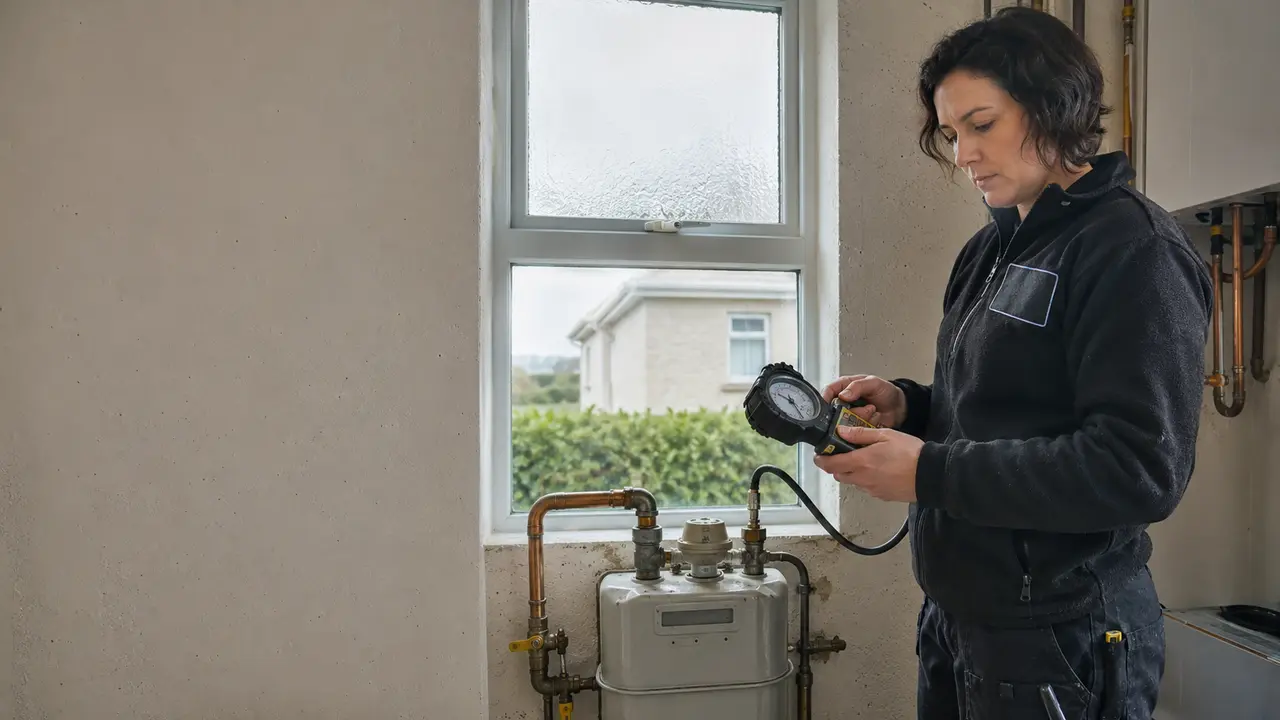
- Pressure testing — testing the integrity of gas pipework after installation or alteration
- Appliance commissioning — starting up and testing a newly installed gas appliance
- Gas appliance repair — repairing a fault on any gas appliance or its controls
- LPG systems — all of the above applies equally to LPG systems
If you are unsure whether the work you need done counts as notifiable, the answer is almost always yes. When in doubt, require RGI registration. The risk of getting it wrong is not worth it.
Consequences of using an unregistered installer
Hiring an unregistered installer for notifiable gas work carries serious consequences:
- It is illegal. Unregistered gas work is an offence under Irish law.
- It voids your home insurance. Most home insurance policies exclude damage caused by illegal or unregistered work.
- It breaches building regulations. Where planning or building regulation compliance is required, unregistered work will not satisfy those requirements.
- It creates problems when selling. Solicitors routinely check that significant gas work was properly certified. Missing certification can delay or derail a sale.
The completion certificate
After any notifiable gas work, your RGI installer is required to issue a Certificate of Completion recording the work carried out, pressure test results, the installer's name and RGI registration number, and the date.
Always ask for this certificate before paying the final invoice. Keep it with your property documents. If you need to make a gas-related insurance claim or sell your home, this certificate is your evidence that the work was done correctly and legally. More about gas safety certificates.
Landlord obligations
Landlords have additional legal obligations around gas safety. Gas appliances in rented properties must be inspected annually by an RGI registered installer. Records must be kept for at least two years and made available to tenants on request.
Failure to maintain gas safety records as a landlord is a serious breach of the Residential Tenancies Act and can result in significant financial penalties.